

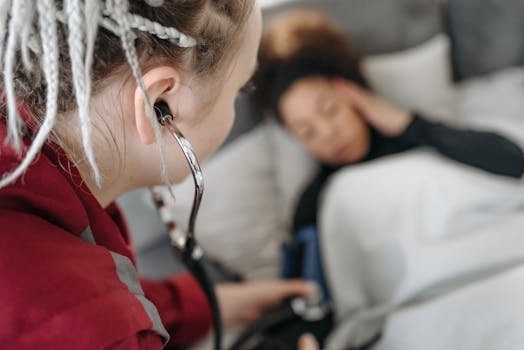
Understanding In-Home Nursing Services
In-home nursing services represent a vital aspect of the healthcare continuum, providing essential medical and personal care to individuals in the comfort of their homes. These services encompass a range of support activities, including but not limited to, skilled nursing care, physical therapy, medication management, and assistance with daily living activities. The primary objective of in-home nursing is to facilitate patient recovery through personalized care that addresses both medical needs and emotional well-being.
In-home nurses are typically registered nurses (RNs) or licensed practical nurses (LPNs) who possess the necessary qualifications and training to deliver a variety of healthcare services. This professional designation often ensures that patients receive care from individuals who are skilled in monitoring health status, administering medications, and providing wound care. These nurses are also educated in recognizing changes in a patient’s condition that require immediate attention, thus ensuring timely interventions.
One of the key distinctions between home healthcare and traditional hospital care lies in the approach to treatment. While hospitals are equipped for acute care, in-home nursing focuses on chronic conditions, recovery from surgery, and support for illnesses within the patient’s familiar environment. This setting allows patients to engage more actively in their recovery process, as they receive care tailored to their unique needs.
Moreover, the importance of personalized care plans cannot be overstated. By creating individualized plans that consider the patient’s medical history, preferences, and lifestyle, in-home nursing services can enhance the overall effectiveness of the care provided. Thus, these services not only promote recovery but also contribute significantly to the patient’s quality of life, making in-home nursing an essential component of modern healthcare.
Support During Recovery from Surgeries
In-home nursing plays a significant role in facilitating a smooth recovery process following surgical procedures. Patients often face a myriad of challenges after surgery, including pain management, wound care, and the need for close monitoring of vital signs. Employing professional nurses in the home setting allows for tailored postoperative care that addresses the unique needs of each patient, enhancing their recovery experience.
The primary responsibility of in-home nurses in the postoperative phase includes effective wound management. Proper care and monitoring of surgical sites are essential for preventing infections and ensuring that healing progresses as expected. Skilled nurses are proficient in assessing healing wounds, changing dressings, and educating patients and their families about signs of infection to watch for. This proactive approach can significantly reduce the risk of complications such as re-hospitalization.
Another critical aspect of in-home nursing during recovery is medication administration. Patients often leave the hospital with a complex regimen of medications, including pain relievers and antibiotics. In-home nurses are equipped to manage these medications, providing administration, reminders, and education on proper dosing schedules. This attention to medication is vital for managing pain effectively and preventing adverse reactions, fostering a safer recovery environment.
In addition to physical care, in-home nursing provides essential emotional support. Recovering from surgery can be a mentally taxing experience for patients and their families. The presence of a knowledgeable and compassionate nurse can alleviate anxiety, provide reassurance, and assist with communication between the patient and their healthcare team. This supportive role is instrumental in enhancing the overall well-being of patients during their recovery journey.
Ultimately, in-home nursing not only addresses physical health needs but also promotes emotional resilience, playing a critical role in the surgical recovery process.
Managing Chronic Conditions with Professional Home Nursing
In-home nursing plays a crucial role in the management of chronic conditions such as diabetes, heart disease, and pulmonary issues. For patients battling these persistent health challenges, having access to a qualified home nurse can significantly influence their overall well-being and recovery process. Home nurses are trained professionals who provide individualized care, tailoring their approach to meet the unique needs of each patient.
One of the primary responsibilities of home nurses is to monitor symptoms and track vital signs. Regular assessments allow them to detect any changes in a patient’s condition promptly, enabling timely interventions when necessary. This vigilant oversight ensures that any complications associated with chronic illnesses can be addressed swiftly, thus minimizing potential risks.
Education is another integral aspect of the in-home nursing role. Home nurses are tasked with informing patients about their conditions, empowering them to manage their symptoms effectively. Through personalized teaching, nurses can illustrate the importance of adherence to prescribed treatment plans and medication regimens. This education also extends to lifestyle modifications, where nurses guide patients through dietary changes, exercise, and stress management techniques, essential components in controlling chronic diseases.
Medication management is another vital area in which home nurses excel. They ensure that patients take their medications as prescribed, provide instruction on proper usage, and help manage any side effects that may arise. By educating patients about their medications, home nurses instill confidence, allowing patients to take an active role in their healthcare.
Ultimately, in-home nursing plays a pivotal role in enhancing the quality of life for patients with chronic conditions. By supporting their independence and ensuring they receive necessary medical care in the comfort of their homes, home nurses enable patients to maintain a semblance of normalcy in their daily lives, promoting both physical and emotional well-being.
Rehabilitation and Physical Therapy at Home
In-home nursing plays a pivotal role in the rehabilitation process for patients recovering from injuries or illnesses. By integrating nursing care with rehabilitation services, healthcare providers can create a comprehensive support system that addresses both physical and emotional needs. Nurses often collaborate closely with physical therapists to design rehabilitation plans that are tailored to each patient’s unique situation, ensuring that recovery goals are met effectively.
The collaboration between nurses and physical therapists is critical for implementing a structured rehabilitation plan. Nurses are responsible for monitoring the patient’s overall health, administering medications, and assisting with exercises prescribed by physical therapists. This multidisciplinary approach allows for immediate feedback and adjustments to the rehabilitation plan, which enhances recovery. Consistency in therapy sessions is essential for progress; thus, in-home nurses can help facilitate regular appointments and maintain accountability among patients, ensuring that exercises are performed correctly and at the frequency needed to achieve optimal outcomes.
Furthermore, in-home rehabilitation significantly contributes to both physical recovery and emotional wellbeing. Many patients experience anxiety and stress when transitioning from hospital care to home, making familiar surroundings crucial for a conducive healing environment. The presence of qualified nursing staff at home not only provides patients with the necessary physical support but also helps alleviate their emotional concerns. Family members can also engage more actively in the rehabilitation process, as nurses often educate them on how to assist with therapy and provide encouragement.
Ultimately, the integration of in-home nursing with rehabilitation services fosters an environment where patients feel supported and empowered, leading to better recovery outcomes. By addressing both physical rehabilitation and emotional support, this approach ensures a holistic healing experience that can greatly improve a patient’s quality of life during the recovery journey.